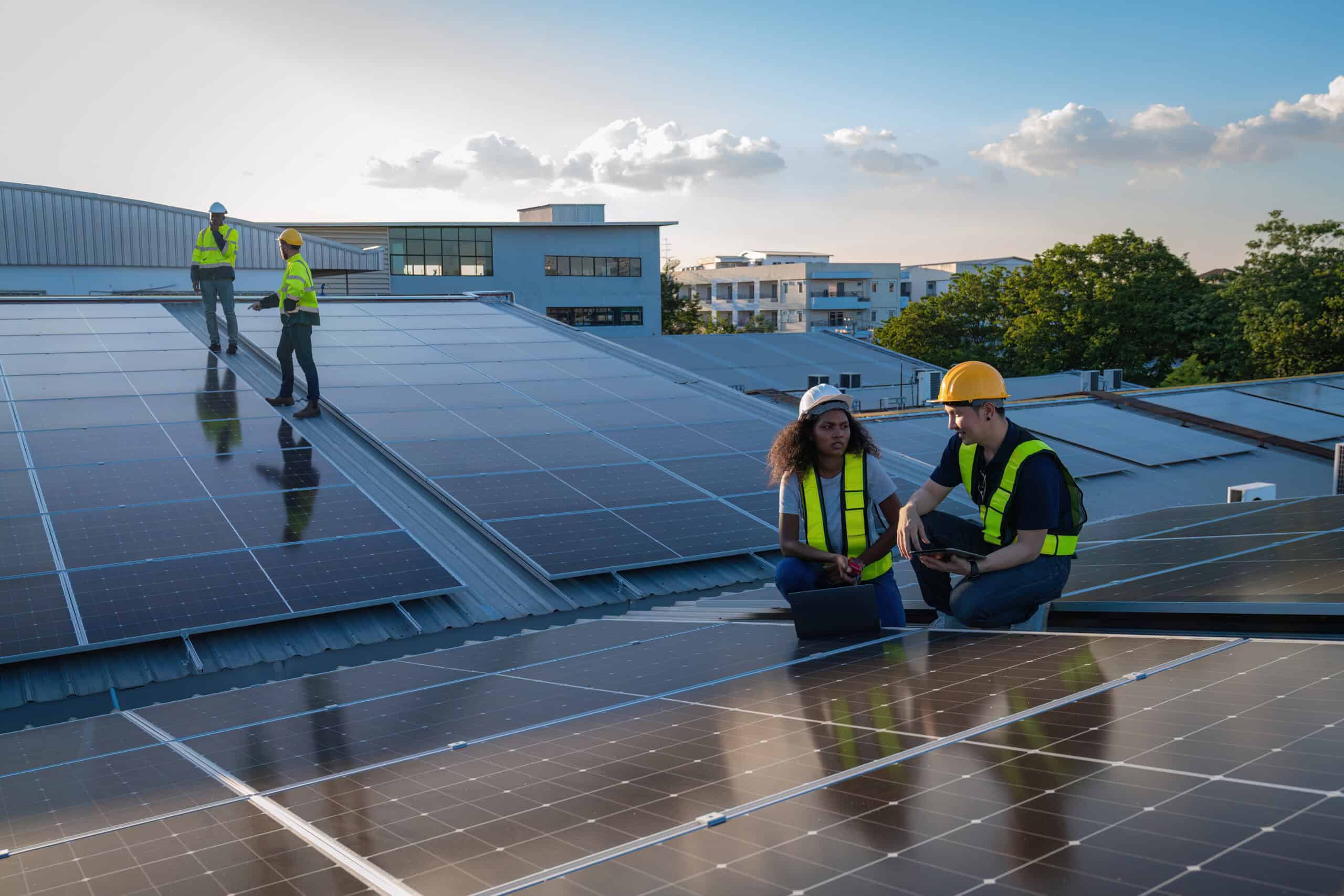
Solar energy Washington, DC, is no longer a future concept—it’s actively reshaping how the city produces, manages, and consumes power. As energy demands rise and infrastructure evolves, Washington, DC, is emerging as a leader in smarter, more resilient energy systems powered by solar.
This shift isn’t just about sustainability. It’s about reliability, control, and long-term economic stability for homeowners and businesses alike.
Why Washington, DC, Is Rethinking Energy
Washington, DC, faces unique energy challenges. A dense population, aging infrastructure, rising electricity costs, and increased demand all put pressure on the traditional power grid.
Solar energy Washington DC solutions help offset these challenges by generating power locally—right where it’s used—reducing strain on centralized systems.
Cities that invest in local generation gain flexibility and resilience.
How Solar Energy Fits Into the City’s Grid
Solar energy doesn’t replace the grid—it strengthens it.
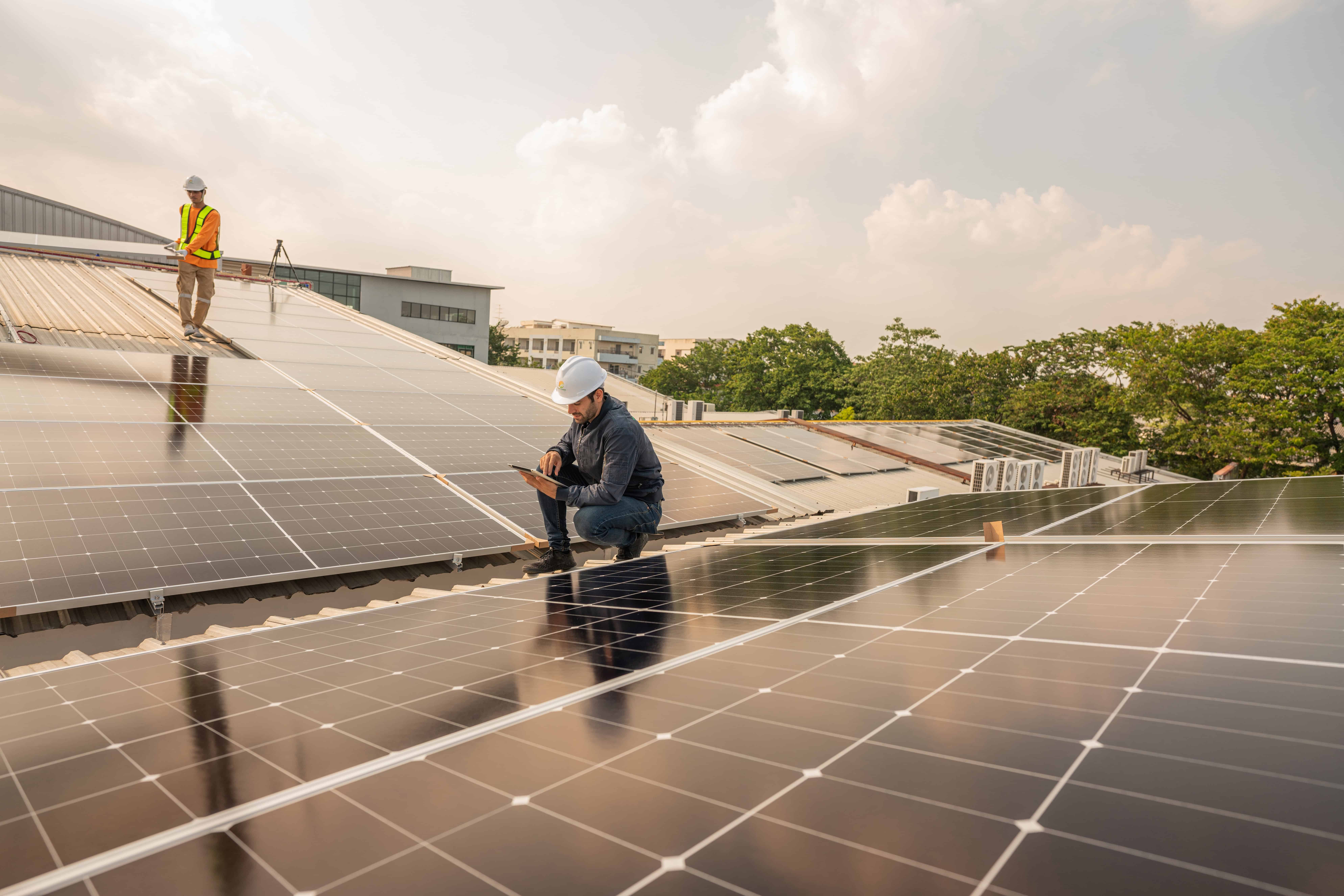
Instead of relying entirely on distant power plants, solar allows energy to be produced at homes, commercial buildings, and facilities throughout the city. This decentralized approach improves efficiency and reduces transmission losses.
According to the U.S. Department of Energy, distributed solar increases grid reliability and reduces outage risks during peak demand periods.
The Role of Distributed Energy
Distributed energy resources like rooftop solar and battery storage are transforming urban power systems.
Key benefits include:
-
Faster recovery from outages
-
Reduced congestion in the utility infrastructure
-
Improved energy security
For Washington, DC, distributed solar plays a major role in meeting clean energy goals while keeping power accessible and affordable.
What This Means for Homeowners
For homeowners, solar energy adoption in Washington, DC, means:
-
More predictable energy costs
-
Reduced reliance on utility rate increases
-
Increased home value
-
Greater control over household energy use
Solar also pairs well with battery storage, allowing homes to stay powered during grid disruptions.
What This Means for Businesses
Commercial buildings often have large, underutilized rooftops—ideal for solar installations.
Businesses using solar energy solutions in Washington, DC, benefit from:
-
Lower operating costs
-
Long-term energy price stability
-
Sustainability leadership
-
Increased resilience against outages
The National Renewable Energy Laboratory highlights solar as one of the most effective ways businesses can manage long-term energy risk.
Why Local Solar Expertise Matters
Urban solar projects require deep knowledge of:
-
Local permitting processes
-
Utility interconnection rules
-
Structural considerations for city buildings
Working with a local solar provider ensures systems are designed specifically for Washington, DC’s infrastructure, regulations, and energy needs. District Energy’s local solar experts understand how to navigate city-specific requirements, utility coordination, and project logistics—helping homeowners and businesses avoid delays while maximizing system performance.
The Road Ahead for Solar Energy Washington, DC
Solar energy adoption in Washington, DC, is accelerating.
As technology improves and cities prioritize energy resilience, solar will continue playing a central role in how DC powers homes, businesses, and essential services.
The future of power in Washington, DC, is local, flexible, and solar-powered.